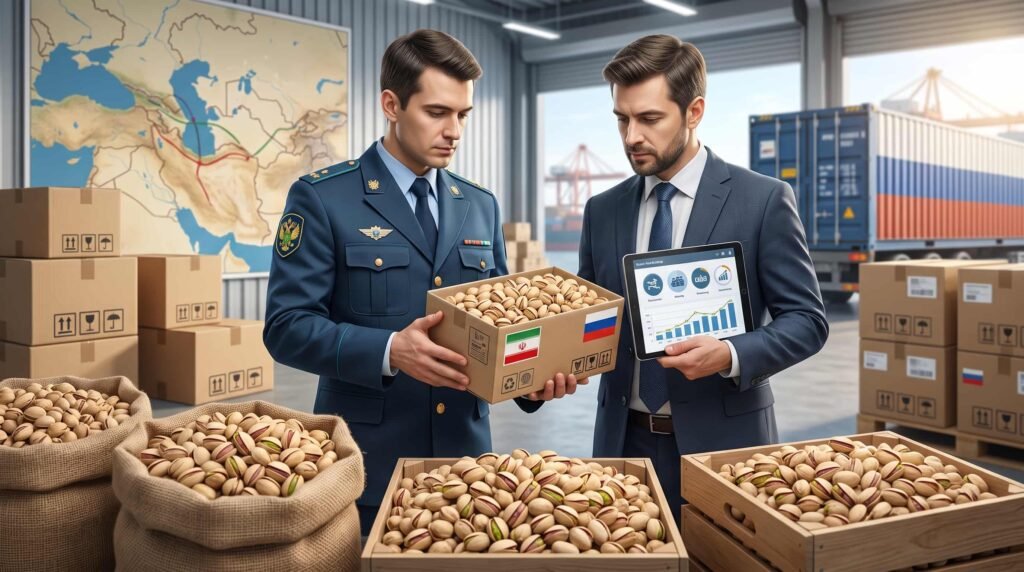
Importing pistachios from Iran to Russia is more than a simple international purchase. For a Russian importer, the process involves choosing the right Iranian pistachio variety, defining product specifications, checking food safety requirements, confirming customs procedures, preparing documentation, arranging transportation and making sure the shipment can enter the Russian market under the applicable regulations.
Iran has a long history of pistachio cultivation and processing and supplies several commercial varieties to international markets. Iranian pistachios can be purchased in shell, shelled or processed into different forms for wholesale distribution, retail products and food manufacturing.
For Russian buyers, the main advantage of working directly with an Iranian pistachio exporter is the ability to source products according to specific commercial requirements. However, the quality of the supplier, the accuracy of the product specification and the preparation of the import documentation can have a significant effect on the success of the transaction.
This guide explains how Russian importers can approach the process of importing Iranian pistachios, from selecting the product and supplier to documentation, food safety, customs, transportation and final delivery.
Why Are Iranian Pistachios an Interesting Option for Russian Importers?

Iran is one of the major pistachio producing countries and has developed an established agricultural and processing industry around pistachios. Iranian suppliers can offer different varieties, grades, sizes and processing formats, which makes the product suitable for several segments of the Russian food market.
The commercial value of Iranian pistachios is not limited to their origin. Different Iranian varieties have different shapes, sizes and applications. This allows importers to select products according to their target customers and price segment instead of purchasing one standardized product.
For a Russian wholesaler, for example, the priority may be consistent quality and competitive pricing. A confectionery manufacturer may be more interested in pistachio kernels with specific characteristics, while a premium retailer may place greater emphasis on appearance, size and variety. This is why defining the intended application should always be the first step when importing pistachios, followed by appropriat pistachio quality checks before export.
Understanding Iranian Pistachio Varieties Before You Buy
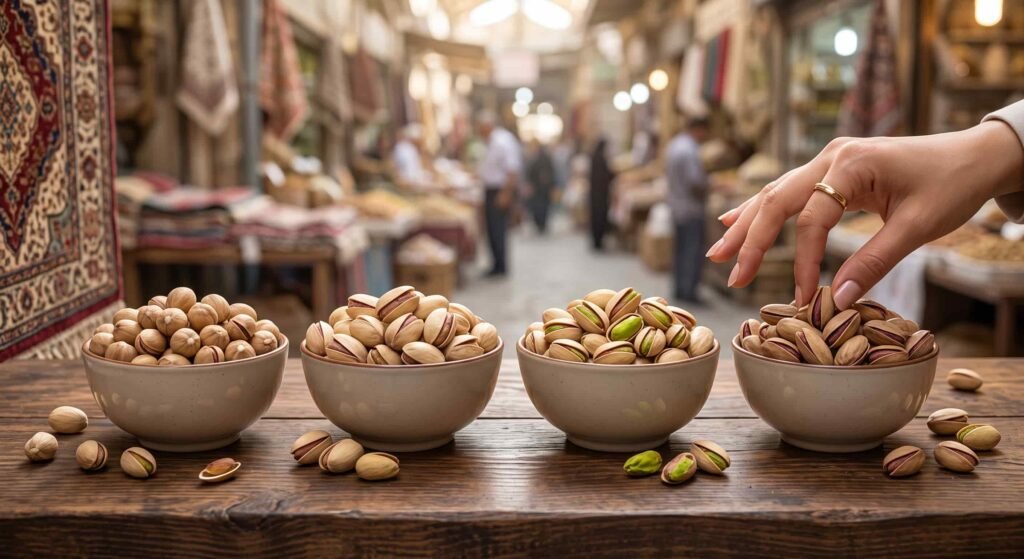
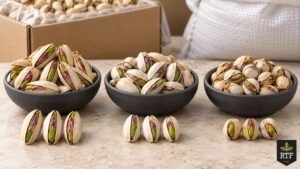
One of the most important decisions for an importer is selecting the right pistachio variety. Iranian pistachios are not a single standardized product. Several commercial varieties are available, and each has characteristics that can make it more appropriate for particular applications.
Fandoghi Pistachios: A Commercial Choice for Different Applications
Fandoghi is a round shaped Iranian pistachio that is widely recognized in the commercial pistachio market. Its shape and availability make it suitable for several applications, including snack products and food processing.
For buyers looking for a practical commercial product rather than a premium elongated variety, Fandoghi can be considered depending on the required size, grade and market positioning. The actual suitability of Fandoghi for a Russian market should be evaluated together with price, available sizes, quality specifications and customer preferences.
Ahmad Aghaei Pistachios: An Elongated Iranian Variety
Ahmad Aghaei is one of the recognizable elongated Iranian pistachio varieties. Its appearance can make it attractive for snack products and markets where the visual characteristics of the pistachio are important.
Russian importers interested in Ahmad Aghaei should specify the desired size and grade rather than ordering only by variety name. The same variety can be available in different commercial specifications.
Akbari Pistachios: A Premium Oriented Option
Akbari is another well known Iranian pistachio variety and is characterized by its long shape. It is often positioned in premium segments, although the actual commercial value depends on size, quality, processing, packaging and market demand.
For a Russian importer, Akbari can be considered for premium wholesale or retail applications where product appearance plays an important role.
Kaleh Ghouchi Pistachios: A Distinctive Commercial Variety
Kaleh Ghouchi is another Iranian pistachio variety that can be sourced for international markets. Its distinctive shape and commercial availability make it relevant for buyers who want an alternative to other Iranian varieties.
The important point is that the variety itself should not be used as the only quality indicator. A professional purchase specification should also define size, grade, quality parameters and intended application.
In Shell or Shelled Pistachios: Which Product Should You Import?
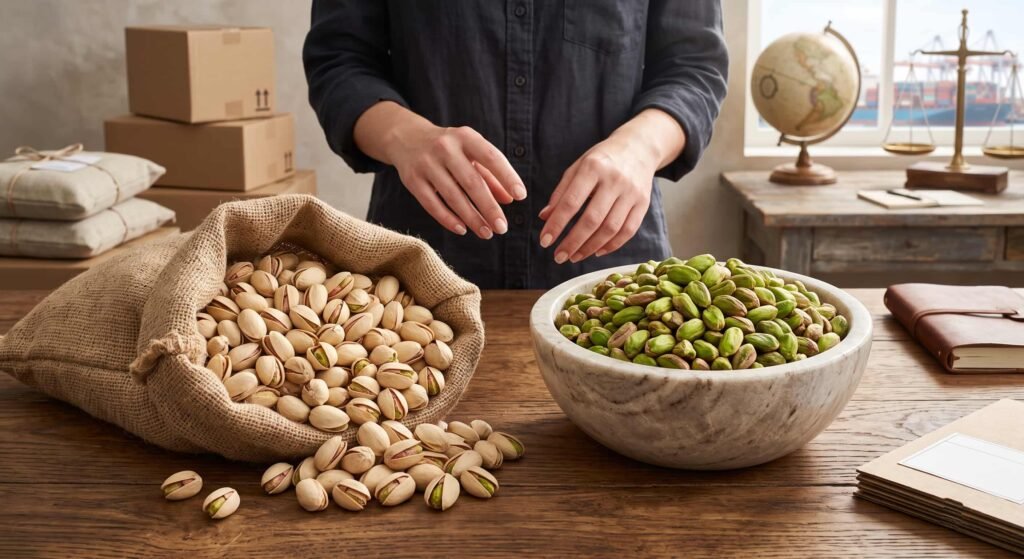
The decision between in shell pistachios and shelled pistachio kernels depends mainly on how the product will be sold or used after import. In shell pistachios are commonly used for snacking and retail distribution. Their appearance, shell opening, size and overall presentation can influence consumer perception.
Shelled pistachios are a practical choice for food manufacturers that need ready-to-use kernels for chocolate, confectionery, bakery products, ice cream, desserts and pistachio paste. While kernel quality, color and consistency are essential for industrial applications, the original pistachio variety can also influence purchasing decisions. Understanding the differences between Akbari vs Ahmad Aghaei vs Fandoghi Pistachios helps buyers evaluate Iranian pistachio varieties and select suitable raw materials based on their processing needs, quality standards and production costs.
When In Shell Pistachios Make More Sense
In shell pistachios can be suitable for Russian wholesalers, retailers, snack distributors and foodservice businesses. In this category, the importer may pay particular attention to size, shell opening, appearance, flavor and the percentage of defective or closed shells.
The packaging format is also important because in shell pistachios may be sold in bulk or repacked into consumer sized packages.
When Pistachio Kernels Are the Better Choice
Pistachio kernels are particularly relevant when the importer supplies food manufacturers or processors. Depending on the application, buyers may request whole kernels, split kernels, chopped kernels, diced kernels, green kernels or pistachio powder.
A manufacturer producing pistachio ice cream, chocolate or bakery products may have completely different requirements from a retailer selling roasted pistachios. For this reason, an Iranian pistachio supplier should know the final use of the product before recommending a particular specification.
How to Find a Reliable Iranian Pistachio Supplier
Finding an Iranian pistachio supplier is relatively easy. Finding a supplier that can consistently deliver the exact product specification and documentation required by a Russian importer is much more important. A serious B2B buyer should evaluate the supplier from several perspectives rather than comparing quotations based only on price.
The supplier should be able to explain where the pistachios come from, which varieties and grades are available, how the product is processed and packed, what laboratory testing is available and which export documents can be provided.
Why Product Samples Matter in International Pistachio Trade
A product sample can give an importer a much better understanding of the actual quality than photographs or a written description. The sample should ideally represent the specification that will be supplied commercially. Buyers can evaluate appearance, taste, aroma, size, texture and other relevant characteristics.
For larger transactions, independent laboratory testing can also be considered. The purpose of sampling is not simply to decide whether the pistachios taste good. It establishes a reference point between the buyer and supplier.
If the final shipment differs significantly from the approved specification, the buyer has a clearer basis for discussing the issue with the supplier.
Why the Lowest Pistachio Price Is Not Always the Best Deal
International food purchasing should be evaluated according to total landed cost and commercial risk rather than the initial quotation alone. A supplier offering a lower price may have different product specifications, packaging, testing arrangements or delivery terms.
For example, two suppliers may quote different prices because one quotation includes a different Incoterm or a different quality grade. A professional Russian importer should therefore compare equivalent products under equivalent commercial conditions.
Food Safety and Aflatoxin Testing When Importing Iranian Pistachios

Food safety is one of the most important considerations when importing pistachios. Pistachios can be exposed to aflatoxin contamination under unsuitable agricultural, harvesting, drying or storage conditions. Because of this, professional buyers often include laboratory testing in their procurement process.
The relevant limits and testing requirements should be confirmed according to the current rules applicable to the destination market and the specific product.
Aflatoxin testing should therefore not be treated as an optional marketing document. For a commercial importer, it can be an important part of supplier qualification and shipment acceptance.
What Should Be Tested Before Shipment?
The exact laboratory testing program depends on the product specifications and destination requirements. When buying Iranian pistachios in bulk buyers may request testing for aflatoxins, microbiological parameters, moisture, pesticide residues, foreign matter and other relevant quality or safety characteristics, depending on the transaction.
The important point is to agree on the testing requirements before production and shipment. A Russian importer should not wait until the cargo has already left Iran to decide which laboratory documents are required.
Why Pre Shipment Quality Control Is Important
Pre shipment testing gives both the exporter and importer an opportunity to identify potential problems before the product enters international transportation. A professional quality control process can include sampling, laboratory testing and verification of the final product against the agreed commercial specification.
This is particularly important for larger orders where a problem discovered after arrival can create significant costs related to storage, additional testing, customs procedures or rejected goods.
Understanding Russian and EAEU Import Requirements
Russia is part of the Eurasian Economic Union, so Russian food importers need to consider the relevant EAEU framework in addition to shipment specific Russian requirements. The EAEU has common technical regulations covering areas such as food safety, food labeling and phytosanitary measures.
The exact requirements applicable to a shipment can depend on the product classification, processing status, packaging, intended use and other factors.
For this reason, Russian importers should verify the current requirements with their customs broker and the relevant regulatory authorities before shipping the goods.
Food Safety Regulations for Imported Pistachios
Food products placed on the EAEU market must comply with the applicable food safety requirements.
The EAEU framework includes technical regulations concerning food safety and related requirements. The exact conformity and documentation requirements depend on the product and its classification. An importer should therefore identify the applicable regulations before the commercial shipment is finalized.
This is especially important for companies importing pistachios for further processing or consumer sale.
Phytosanitary Requirements for Pistachio Imports
Pistachios are agricultural products, which means phytosanitary and plant quarantine requirements may be relevant depending on the exact product and its classification. The EAEU operates common phytosanitary measures for regulated products.
The importer should confirm whether the specific shipment requires a phytosanitary certificate or other plant health documentation. Responsibility for obtaining these documents should also be agreed between the Iranian exporter and Russian importer before shipment.
Customs Classification of Iranian Pistachios
Correct customs classification is one of the most important technical parts of the import process. Pistachios fall under the broader customs heading for edible nuts, but the classification can distinguish between pistachios in shell and shelled pistachios.
For example, the EAEU tariff nomenclature includes separate classifications for pistachios in shell and shelled pistachios under heading 0802. The exact tariff line should always be confirmed based on the actual product being imported.
Why HS Classification Matters
Customs classification can influence the applicable duty, customs procedures and other regulatory requirements. A mistake in classification can therefore create unexpected costs or delays.
Russian importers should provide their customs broker with the actual product specification, including whether the pistachios are in shell, shelled, roasted, salted or otherwise processed. The broker can then determine the appropriate classification based on the current tariff nomenclature.
Iran and the EAEU Trade Framework
Another consideration for Russian importers is the trade relationship between Iran and the EAEU. Iran and the Eurasian Economic Union have established a trade framework that includes tariff concessions and provisions relating to trade between the parties.
However, an importer should never assume that every Iranian pistachio shipment automatically receives a preferential tariff. Eligibility depends on the relevant product classification, rules of origin and applicable documentation.
How Preferential Tariffs Can Affect Your Import Cost
If a shipment qualifies for preferential treatment, the difference in customs duty can affect the final landed cost of the pistachios. This means the importer should verify the current tariff treatment before calculating the expected profitability of the transaction. The correct approach is to confirm the product classification first and then determine whether the applicable trade agreement provides a preferential rate for that product.
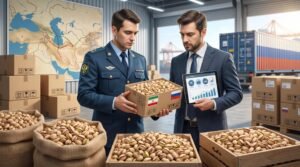
Documents Needed for an Iranian Pistachio Shipment to Russia
Documentation should be prepared before the cargo leaves Iran. The exact documents required depend on the product, customs classification, transportation method and current Russian and EAEU requirements.
A commercial shipment may involve a commercial invoice, packing list, sales contract, transport documents and origin documentation. Depending on the product and regulatory requirements, laboratory reports, phytosanitary documents and conformity related documents may also be required.
Commercial Invoice and Packing List
The commercial invoice should accurately describe the product, quantity, value, origin and commercial terms. The packing list provides additional information about the packaging and shipment configuration. The information across the invoice, packing list, contract and transport documents should be consistent. Discrepancies between documents can create unnecessary questions during customs clearance.
Certificate of Origin
A certificate of origin may be required depending on the shipment and the applicable customs or preferential trade requirements. Because origin can also be relevant to preferential tariff treatment, the importer should verify the exact documentation needed for the transaction.
Laboratory and Food Safety Documentation
Laboratory reports can provide evidence that the shipment meets agreed quality and safety specifications. The buyer should determine in advance which laboratory tests are required and whether the testing laboratory needs to meet specific standards or accreditation requirements.
Packaging Iranian Pistachios for the Russian Market
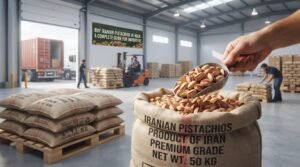
Export packaging should protect the pistachios throughout transportation and storage while also meeting the requirements of the final market. The appropriate packaging may vary depending on the Iranian pistachio varieties being shipped and whether the buyer is importing bulk pistachios for repacking or finished consumer products.
For wholesale shipments, suppliers may use food grade inner bags, cartons or other bulk packaging formats. For retail products, the importer may require consumer ready packaging with Russian language labeling and specific branding requirements.
Bulk Packaging for Russian Wholesalers
Bulk packaging is often practical for importers that have their own warehouse, repacking operation or distribution network. The packaging should protect the product from moisture, contamination and physical damage. The buyer and supplier should agree on the exact weight per package, packaging material and pallet configuration before shipment.
Private Label Pistachio Packaging
Some Russian importers may want to sell Iranian pistachios under their own brand. Private label production requires additional coordination because the exporter may need to prepare packaging according to the buyer’s design and regulatory requirements. The Russian importer should approve the final label before mass production.
Russian Labeling Considerations for Pistachios
Labeling is particularly important when pistachios are imported as finished consumer products. The applicable EAEU food labeling requirements should be reviewed before packaging is printed.
Depending on the product, labeling may need to communicate information such as the product name, composition, net quantity, production information, shelf life, storage conditions, manufacturer information and other mandatory information.
Russian language requirements should also be considered. The final label should be reviewed against the current applicable regulations rather than copied from another product.
Choosing an Incoterm for Iranian Pistachio Imports
The Incoterm determines important responsibilities between the exporter and importer. Depending on the commercial arrangement, the parties may use terms such as EXW, FCA, FOB, CFR, CIF, CPT or DAP. The correct choice depends on the logistics route and the responsibilities each party is prepared to manage.
Why Incoterms Matter to the Final Price
A price quoted under EXW and a price quoted under CIF are not directly comparable because they include different logistics responsibilities. A Russian importer should always ask what is included in the quoted price. The quotation should clearly state the Incoterm and named place so that the buyer can calculate the expected landed cost.
Shipping Iranian Pistachios to Russia
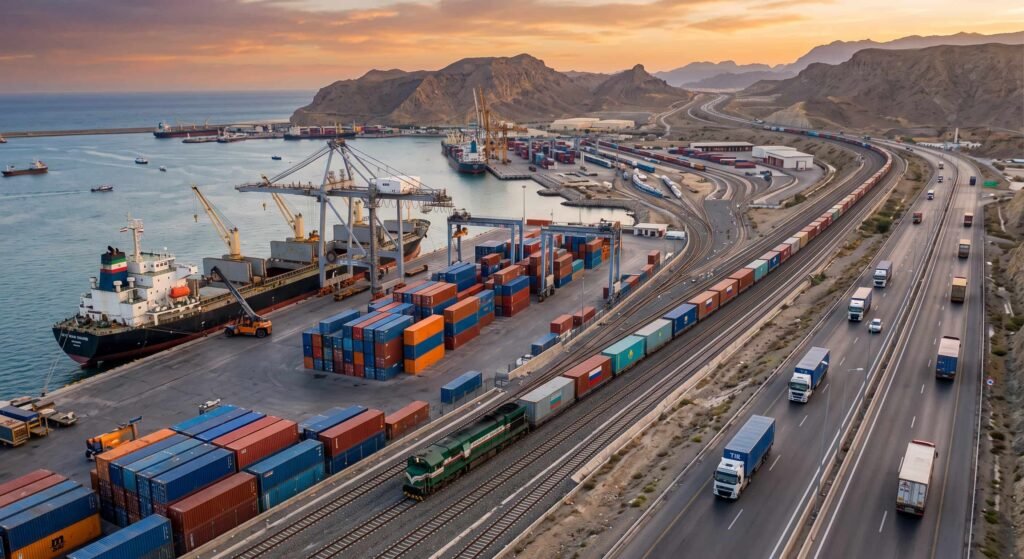
Transportation is another important part of the transaction. The most appropriate logistics route depends on the shipment size, destination, delivery requirements and available transportation options. Depending on the commercial route, Iranian pistachios can be transported using road, rail, sea or multimodal logistics. The importer should compare not only freight prices but also transit time, border procedures, cargo handling and reliability.
Why Transit Time Matters for Pistachio Shipments
Pistachios are shelf stable products when stored appropriately, but inappropriate storage or prolonged exposure to unsuitable conditions can affect quality. For this reason, the importer should understand the expected transit conditions and ensure that the packaging and logistics plan are appropriate.
The exporter and importer should also agree on who is responsible for the cargo during each stage of transportation.
How to Calculate the Landed Cost of Iranian Pistachios
The price quoted by an Iranian supplier is not necessarily the final cost of the product in Russia. The importer should calculate the complete landed cost before comparing suppliers.
This can include the product price, transportation, insurance where applicable, customs duty, customs clearance, brokerage, conformity assessment, laboratory testing, inland transportation, storage and other applicable charges. A supplier offering a lower product price may not necessarily offer a lower landed cost.
Comparing Two Iranian Pistachio Suppliers Correctly
The best way to compare suppliers is to give each supplier the same product specification and request quotations under the same commercial terms. For example, the buyer should compare the same variety, size, grade, packaging, quantity and Incoterm. This creates a more meaningful comparison and reduces the risk of selecting a supplier based on an incomplete price.
Common Mistakes Russian Importers Should Avoid
First time importers sometimes focus heavily on the product price and underestimate the importance of documentation and regulatory preparation.
One common mistake is ordering without defining the exact product specification. Another is accepting a sample without establishing how the commercial shipment will be measured against that sample.
Some buyers also leave customs classification, labeling or phytosanitary requirements until the shipment is already in transit. These problems can often be avoided by involving the customs broker and regulatory specialists before the purchase contract is finalized.
Buying Without a Clear Product Specification
A phrase such as “high quality Iranian pistachios” is not a sufficient specification for an international B2B contract. The buyer should define the variety, form, size, grade, packaging and other commercially important characteristics.
Selecting a Supplier Only Because of Price
Price is an important commercial factor, but it should be considered alongside product consistency, laboratory testing, documentation, export experience and logistics capability. A reliable supplier relationship can be more valuable than a small difference in the initial quotation.
Ignoring the Destination Market Requirements
The fact that a product can legally be exported from Iran does not automatically mean that the same shipment meets every requirement for placing the product on the Russian market.
Export and import compliance are separate parts of the transaction. The Russian importer should therefore verify the destination requirements before shipment.
Building a Long Term Supply Relationship With an Iranian Pistachio Exporter

For wholesalers and food manufacturers, the objective should not necessarily be a single successful shipment. A reliable long term supplier relationship can make future purchasing easier because both parties become familiar with the product specification, packaging, documentation and logistics process.
After the first shipment, the importer can evaluate whether the supplier consistently delivered the agreed product quality and whether the documentation and logistics process worked as expected. If the relationship continues, both sides can establish repeatable specifications and quality control procedures.
Consistency Is More Important Than a Single Good Shipment
One successful shipment does not necessarily prove that a supplier can consistently deliver the same product. For a wholesaler or manufacturer, consistency across multiple shipments is particularly important. A supplier should therefore be evaluated based on repeat performance rather than one sample or one successful order.
A Practical Roadmap for Russian Buyers
The safest way to approach a first purchase is to divide the process into clear stages. First, define exactly what type of Iranian pistachio you need and how it will be used in Russia.
Next, contact suitable Iranian suppliers and request detailed specifications and quotations. After that, request samples and confirm the laboratory testing requirements.
Before signing the final contract, verify the customs classification, applicable EAEU and Russian requirements, documentation, labeling and transportation arrangements. Once these points are confirmed, finalize the commercial agreement and prepare the shipment. This approach gives the importer a clear view of the total transaction cost and reduces the risk of discovering regulatory or logistical problems after the goods have already left Iran.
Final Checklist Before Importing Iranian Pistachios to Russia
Before confirming a commercial order, the Russian importer should make sure the product specification is clear and that the supplier can provide the required quantity and quality consistently. The sample should be approved where appropriate and laboratory testing requirements should be agreed before shipment.
The importer should also confirm the applicable customs classification, tariff treatment, origin requirements, phytosanitary requirements, food safety requirements, labeling rules and conformity obligations.
The commercial contract should clearly define the product, quantity, price, Incoterm, payment conditions, documentation and quality acceptance procedure. Finally, the transportation route and customs clearance process should be arranged before the cargo leaves Iran.
Final Thoughts: Is Iran a Suitable Source for Pistachio Imports to Russia?
For Russian importers looking for pistachios, Iran offers access to an established pistachio producing industry with several commercial varieties and product formats.
The key to a successful import transaction is not simply finding Iranian pistachios at a competitive price. It is creating a complete sourcing process in which product quality, supplier reliability, food safety, documentation, customs classification and logistics are considered together.
Russian buyers should start by defining their exact product requirements. Once the variety, grade, size, packaging and intended application are clear, it becomes much easier to compare Iranian suppliers and negotiate meaningful commercial offers.
Food safety and regulatory compliance should be addressed before shipment, particularly where laboratory testing, phytosanitary documentation, EAEU requirements or labeling obligations apply.
The same principle applies to logistics. A quotation should be evaluated according to the total landed cost rather than the supplier’s product price alone.
For companies planning to build a long term pistachio business in Russia, the most useful approach is to develop a repeatable purchasing process based on clear specifications, documented quality control and reliable communication with the Iranian exporter.
The import process can be summarized as:
Product specification → Supplier selection → Sample approval → Quality testing → Regulatory verification → Contract → Packaging → Documentation → Transportation → Customs clearance → Delivery
When these stages are planned in advance, importing Iranian pistachios becomes a much more structured B2B sourcing process.
Important Note for Importers
Import regulations, customs classifications, tariff rates, food safety requirements, phytosanitary measures and labeling rules can change.
The information in this article is intended as a practical business guide and should not replace shipment specific advice from a qualified Russian customs broker, regulatory specialist or competent authority. Before placing an order, the importer should verify the current requirements applicable to the exact pistachio product, its classification, origin, packaging and intended use.